
Insights
Building capacities in Burkina Faso
The How to Export with the AfCFTA programme, Ouagadougou, 18–21 September 2023
The How to Export with the AfCFTA Training Programme is developed and implemented by the International Trade Centre in partnership with the African Export-Import Bank (Afreximbank). It is dedicated to African enterprises seeking to improve their competitiveness in order to meet the demand and expectations of African consumers.
Enterprises, both large and small, are the drivers of economic growth in Africa and will play a significant role in the continent’s structural transformation. The ultimate objective of the training is to support the operationalisation of the AfCFTA, with African enterprises fully equipped to benefit from the new market opportunities it creates.
The mission
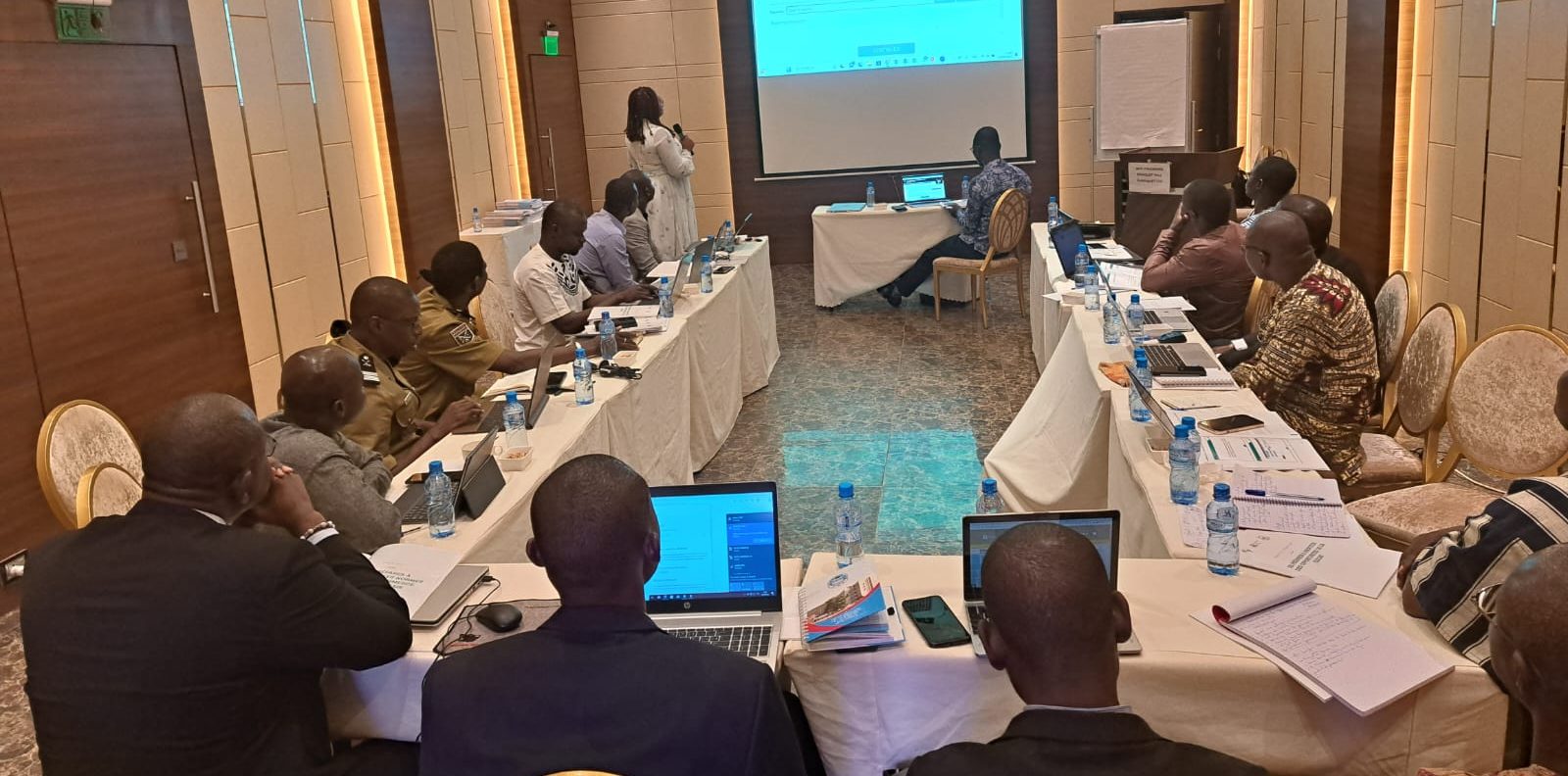
Within the framework of this project, our senior consultant Mr Ilyas Choubaili trained both trainers representing local partner institutions and small and medium-sized enterprises in Ouagadougou, from 18 to 21 September 2023.
The sessions focused on aspects related to exporting processes and procedures, alongside the specific opportunities presented by the AfCFTA.
Why the AfCFTA matters
The AfCFTA is the world’s largest free trade area by number of member states, bringing together the 55 countries of the African Union and eight Regional Economic Communities. Its overall mandate is to create a single continental market with a population of about 1.3 billion people and a combined GDP of approximately US$3.4 trillion.
The Burkinabè context
Burkina Faso is landlocked, which means it depends mainly on the port and logistics infrastructure of Côte d’Ivoire, Togo and Ghana when exporting or importing cargo. That dependency adds cost to every consignment, and it has to be taken into account from the outset of any export plan rather than discovered at the quayside.
A new generation of capacity building
The workshop belongs to a newer generation of capacity-building events, built on a hybrid model — face-to-face sessions combined with online courses — and a digital methodology. The aim is that the material remains usable by the institutions and enterprises involved long after the week itself.
This article was first published on m2nconsulting.net in September 2023 and is republished here, lightly edited for clarity and accuracy. See also the case study.
Tell us what is actually happening.
Most engagements start with a problem that does not yet have a clean name. You do not need a brief, a budget or a defined scope to begin the conversation.
Start a conversation