
Strategic advisory
Trade facilitation
Making the difference between a product that could be exported and one that actually clears the border at a workable cost.
Most African businesses that fail to export do not fail on product or on price. They fail on procedure — a certificate of origin that does not qualify, an Incoterm that quietly moved the cost onto them, a corridor whose real landed cost nobody modelled before the first shipment left.
Trade facilitation is the work of removing those failures before they happen.
Who this is for
- Manufacturers and producers preparing to export for the first time, or into a new market
- Freight forwarders and logistics operators upgrading their commercial and technical practice
- Ports, terminals and maritime operators
- Institutions and development programmes delivering trade support at scale
What we do
Export readiness and export strategy. An honest assessment of whether a business is ready to export, which market it should attempt first and why, and what has to be true internally before it tries. Then the strategy itself — pricing, terms, channel, documentation, and the sequence.
AfCFTA in practice. The African Continental Free Trade Area is the largest free trade area in the world by number of member states. Turning that into a usable advantage requires knowing the rules of origin, the tariff schedules and the procedural realities of the specific corridor a business will use. We work on that translation — from agreement to shipment.
Corridor and landed-cost analysis. Particularly for landlocked markets, where the choice of transit port is one of the largest single cost decisions a business will make, and is very often made out of habit rather than analysis.
Port and maritime logistics. Advisory to the shipping and port industry, and to the businesses whose economics depend on it. This is our closest sector, and Tangier is a reasonable place from which to know it.
How an engagement runs
We start with a diagnostic rather than a proposal — there is little point pricing a solution before knowing whether the constraint is commercial, procedural or operational. From there we agree a scope with a defined end, and we build a transfer component into it so the capability stays with your team.
Where the work suits a group rather than a single organisation, we deliver it as training instead. That is frequently the better value.
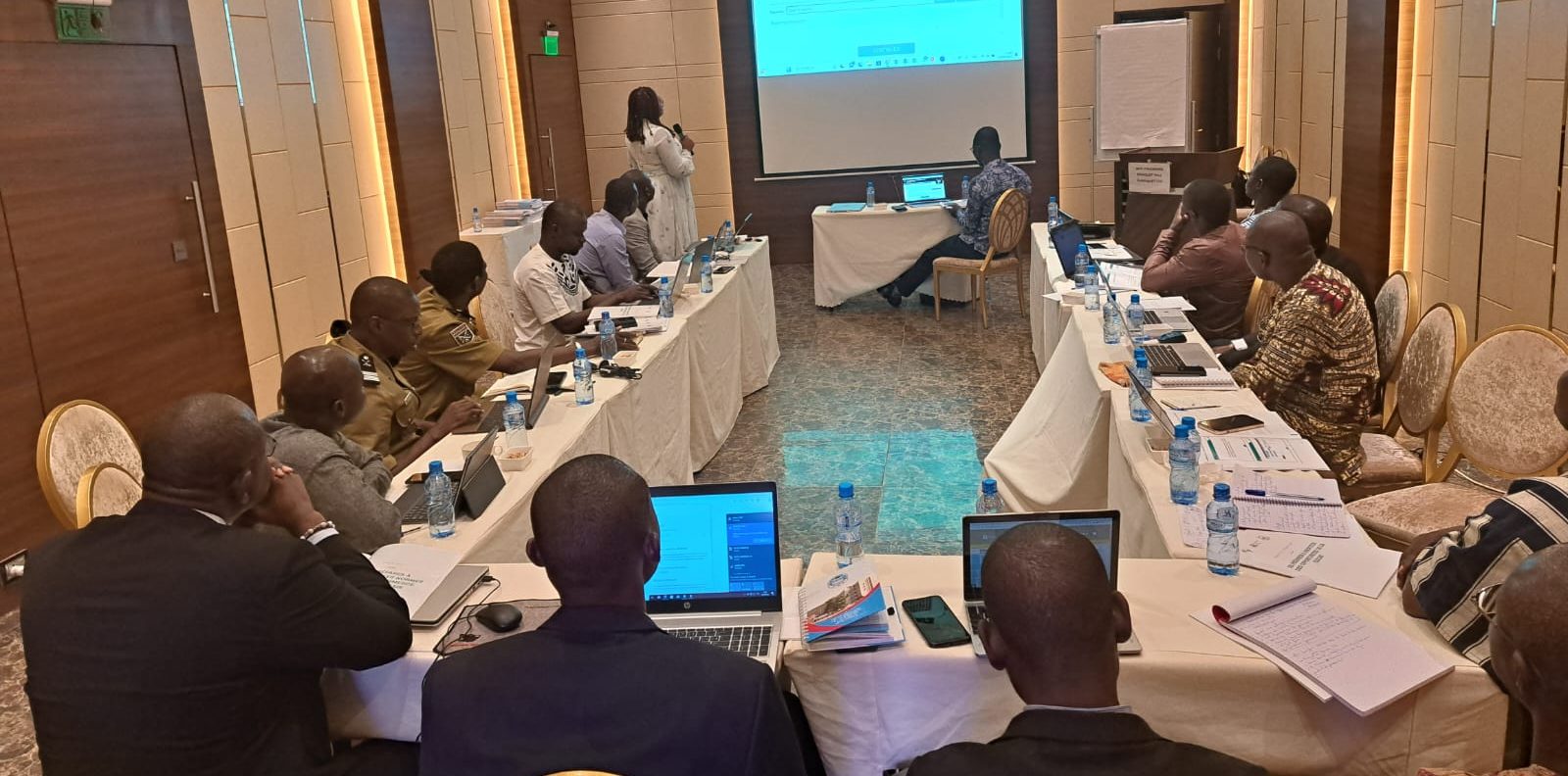
In practice: our founder delivered the How to Export with the AfCFTA programme for the International Trade Centre and Afreximbank in Ouagadougou, training both institutional trainers and small and medium-sized enterprises. Read the case study →
Tell us what is actually happening.
Most engagements start with a problem that does not yet have a clean name. You do not need a brief, a budget or a defined scope to begin the conversation.
Start a conversation